
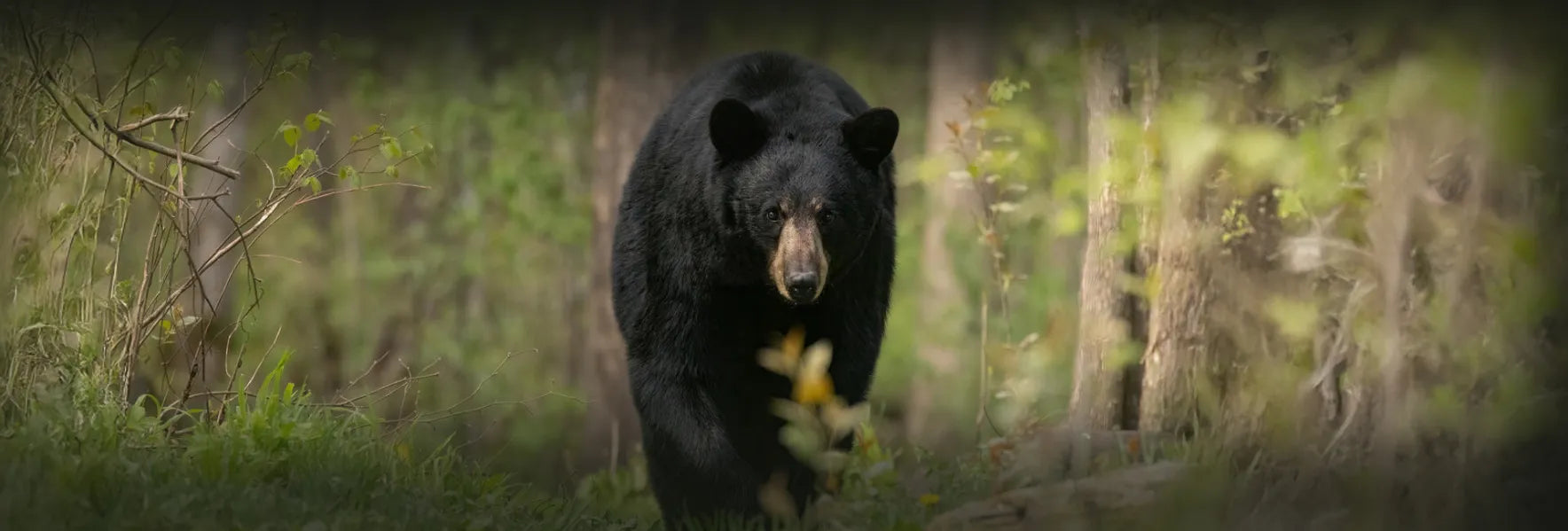
The Gallery of Michigan’s Wild Elite
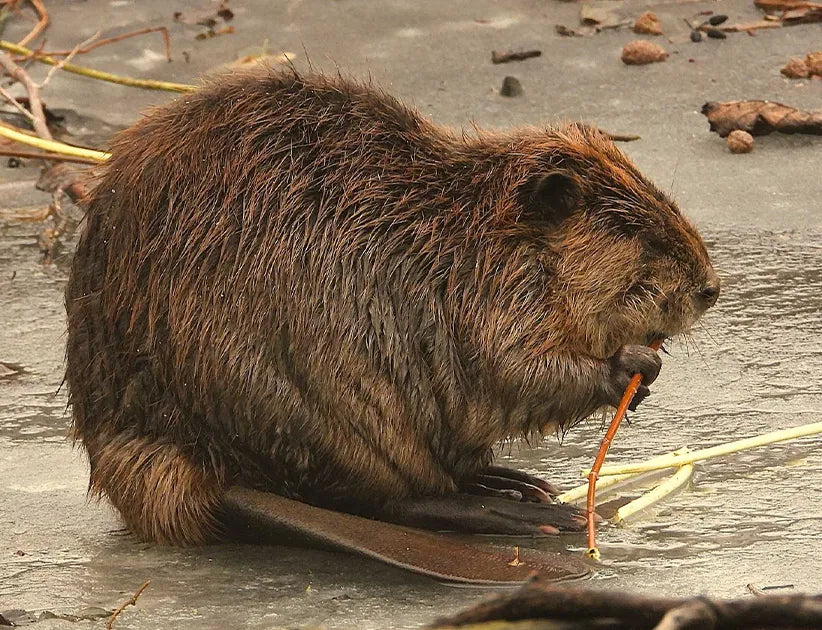
The Architect: Beaver
Biology & Habitat: Master engineers of the wetlands, beavers possess waterproof pelts and iron-strengthened teeth. They inhabit nearly every waterway in Michigan, from the tranquil streams of the Upper Peninsula to southern riverbanks.
The Trend: Their populations are booming. With few natural predators and high reproductive rates, they are thriving to the point of causing significant infrastructure damage.
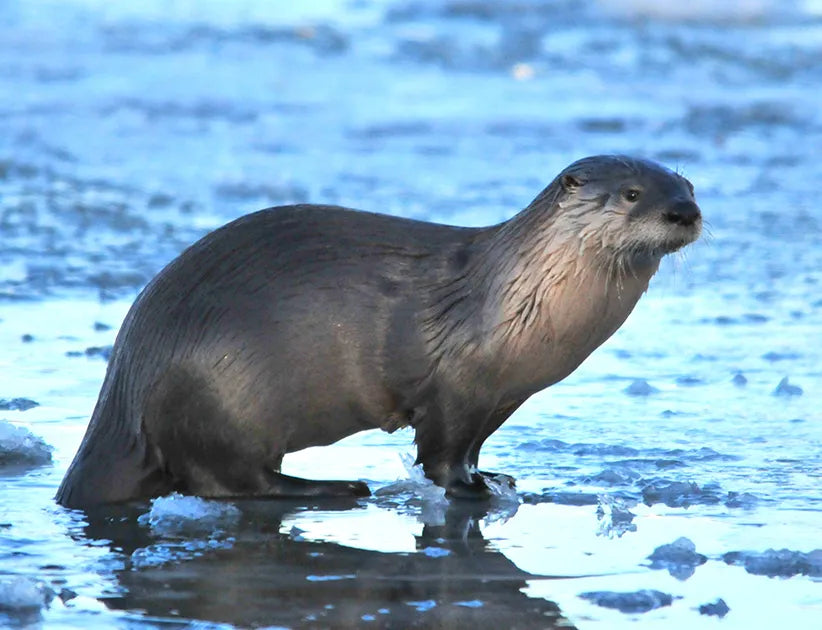
The Artisan: River Otter
Biology & Habitat: Sleek and spirited, otters are the high-performance athletes of Michigan’s lakes and marshes. They require pristine water quality, making them a "sentinel species" for environmental health.
The Trend: Once rare, otters have made a stunning recovery thanks to clean water initiatives and regulated management, allowing for expanded sustainable harvest opportunities.
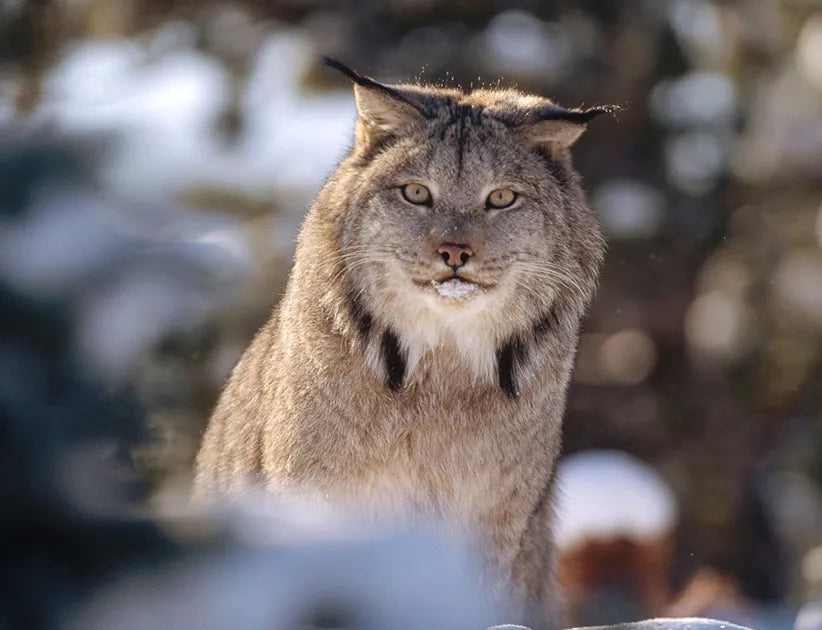
The Ghost: Bobcat & Fisher
Biology & Habitat: The bobcat is a master of stealth in the dense cedar swamps, while the fisher—a large, arboreal member of the weasel family—haunts the mature northern hardwoods.
The Trend: Both species are currently seeing robust and expanding ranges, particularly moving further south into the Lower Peninsula as they adapt to diverse forest types.
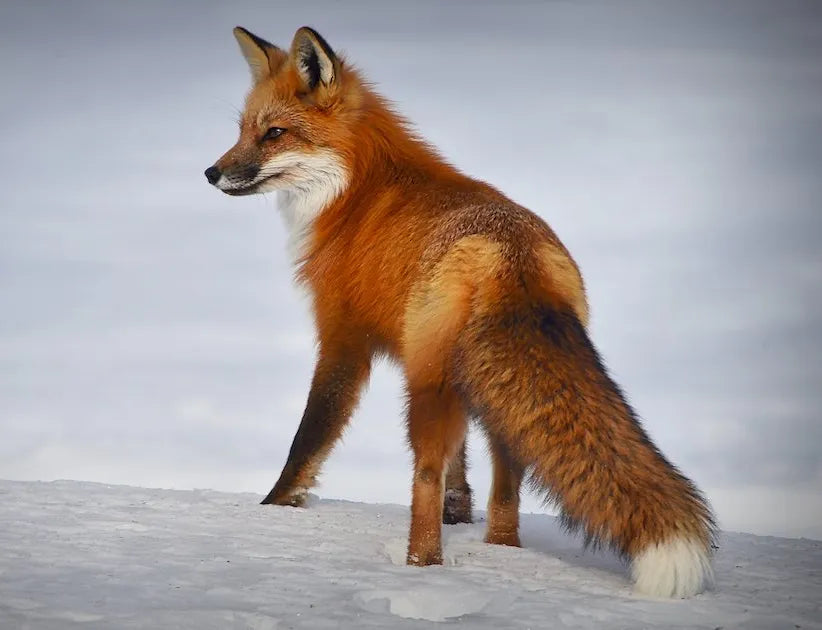
The Strategist: Red Fox & Coyote
Biology & Habitat: The red fox favors the "edges" where forest meets field, while the coyote is the ultimate generalist, thriving in every corner of the state from deep woods to suburban retreats.
The Trend: Coyote numbers have seen an explosive surge, requiring active management to protect prey species like wild turkey and fawns. Red fox populations remain stable and vibrant.
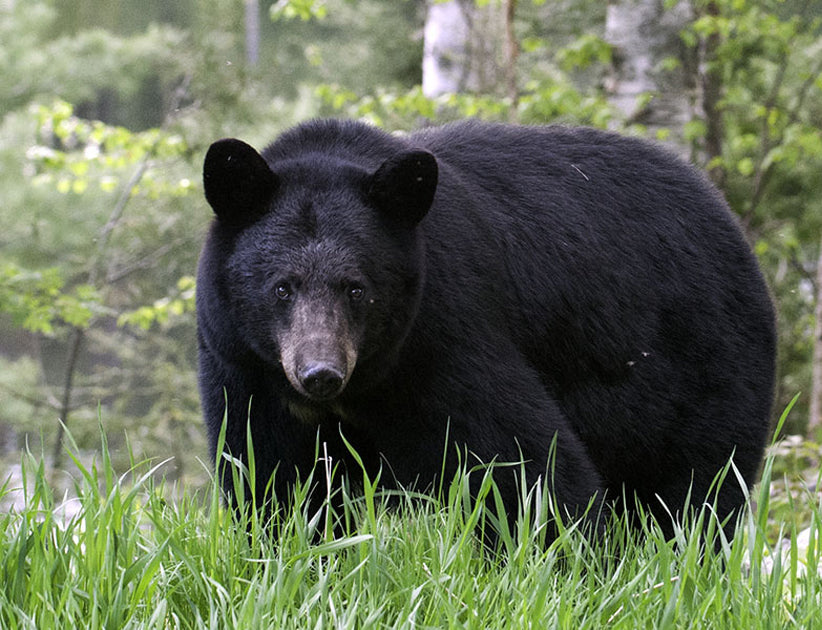
The Icon: Black Bear & Raccoon
Biology & Habitat: The black bear is the titan of the north, requiring large tracts of contiguous forest. The raccoon, meanwhile, is the charismatic opportunist of the night, ubiquitous across all 83 counties.
The Trend: Michigan’s bear population has grown by nearly 25% over the last decade, with ~90% in the Upper Peninsula. Raccoons remain at record-high, sustainable levels.